
What Happens After Stopping Ozempic?
What Happens After Stopping Ozempic? When you stop Ozempic, most people experience a return of appetite, increased thoughts about food and a shift in how manageable eating feels. This often happens sooner than expected. Over the past twelve months, we’ve worked closely with individuals going through this transition, and the patterns are consistent, but rarely explained clearly.
And Why Most People Feel Unprepared
For many people, Ozempic makes weight loss feel manageable, sometimes for the first time in years. Appetite settles, food noise becomes quieter and things start to feel under control. What happens after stopping Ozempic is different.
Most people understandably start their Ozempic journey focused on losing weight, but very few are prepared for what happens after. Weight loss and weight maintenance require different skills. In the early phase, motivation is reinforced by the numbers on the scales. Progress is visible, measurable and often consistent, which makes it easier to stay engaged.
What Happens After Stopping Ozempic
While on the medication, appetite is controlled externally and the pressure of constant hunger is reduced. Social situations often feel easier to manage; saying no, eating less or navigating restaurants and events requires less effort when appetite is suppressed. But when that feedback slows or stops, and appetite returns, the experience begins to change.
When External Support is No Longer There
After stopping the medication, however, everything starts to change. The external support is gone, hunger returns, food becomes more rewarding again and the responsibility for managing intake shifts back to you. And social pressures that once felt manageable can quickly start to feel overwhelming again.This is the point where many people feel exposed.
What felt manageable before now requires more awareness, more structure and more effort, but it’s also where long-term success is decided. Because this phase is not about relying on the medication, it should be about what you’ve built in its place during that window of opportunity it created.
In the weeks and months that follow, most people notice a shift. Appetite starts to come back, often quicker than expected. Thoughts about food show up more often. Maintaining weight loss begins to feel harder than losing it ever did. This isn’t the medication failing; it’s what happens when that level of biological support is no longer there. It’s what happens after stopping Ozempic. Read about weight regain after stopping Ozempic in another of our blog posts.
What Happens After Stopping Ozempic in the First Few Weeks
When people search for what happens after stopping Ozempic, it’s usually because they’re already noticing something has changed. It often starts gently. There can be a short period where things still feel stable. That’s because Ozempic doesn’t leave your system immediately. Appetite can stay lower for a while, which gives a bit of reassurance. What Happens After Stopping Ozempic.
Then hunger becomes more noticeable and insistent, portion sizes creep up without much thought and the mental effort around food increases. Situations that felt easy a few weeks ago suddenly need more attention. A lot of people describe it very simply: food noise gets louder again. For some, that change feels gradual, but for others, it feels like it happens almost overnight.
Why Maintaining Weight Feels Harder After Stopping Ozempic
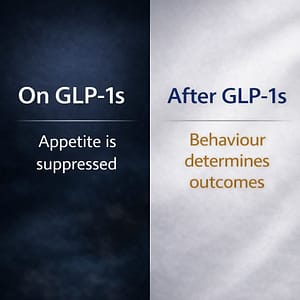
One of the biggest surprises is this: losing weight on Ozempic and maintaining weight after stopping it are not the same thing. While you’re on the medication, your appetite is regulated. Cravings are reduced. The constant pull towards food is dialled down.
After stopping Ozempic, however, everything changes. Appetite increases. Food becomes more appealing again. The same habits that worked during treatment don’t always hold up in the same way.
This is why people start searching for answers, asking what happens when you stop Ozempic, whether weight regain is inevitable, and how to maintain their weight after coming off the medication. They’re trying to make sense of why something that once felt manageable now feels harder.
Do You Gain Weight After Stopping Ozempic?
This is one of the most common questions. Weight regain isn’t guaranteed, but it is common. Not because people have suddenly lost motivation, but because the conditions have changed. Without the appetite suppression from Ozempic, maintaining weight becomes more deliberate. It requires more awareness and significantly more structure.
Most people were never properly prepared for this part. They were supported by the actual medication while going through the weight loss phase, but then they experienced very little or no support during the phase that comes after. And that’s where things start to unravel for some.
Why People Feel Unprepared After Stopping Ozempic
More people than ever are now using GLP-1 medications like Ozempic. This has resulted in an ever-growing number of people now asking the question ‘what happens afterwards’. The problem is, structured aftercare hasn’t really caught up.
Most consultations focus on starting treatment and managing your weight loss journey. Very little time is spent on what happens afterwards, so people often reach that point without a clear plan.
This is why people start searching for answers, asking what happens when you stop Ozempic, whether weight regain is inevitable, and how to maintain their weight after coming off the medication. They’re trying to make sense of why something that once felt manageable now feels harder.
How to Maintain Weight After Stopping Ozempic
This stage isn’t about starting over: it’s about adjusting to a different set of conditions. What helps isn’t extreme dieting or trying to be overly strict, because it’s not sustainable long term. What works better is having a simple structure that reflects what’s changed.

What actually helps after stopping Ozempic is recognising how your appetite is changing, noticing when old habits begin to return, and having a plan for the moments that feel harder than they used to. It also comes down to building routines that are realistic enough to maintain. The goal isn’t perfection. It’s to stay steady.
A Practical Way to Handle Life After Stopping Ozempic
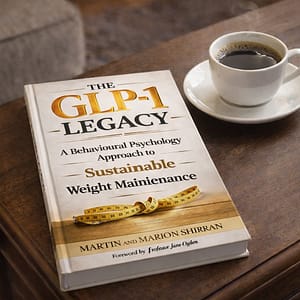
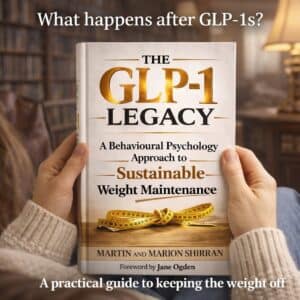
This is exactly the stage the new book, The GLP-1 Legacy, focuses on. It doesn’t repeat standard weight-loss advice. It looks specifically at what happens after stopping Ozempic, Wegovy or Mounjaro, and how to manage that transition in a way that actually holds up in real life.

It’s based on over 15,000 hours of behavioural work and conversations with more than 100 GLP-1 users, alongside insight from Professor Jane Ogden from Surrey University. If you’re asking what happens after stopping Ozempic, you’re already in the phase this book was written for. The GLP-1 Legacy book provides the answers to your questions. You can read a sample of the book on our website.
Not Sure Yet?
If you’re unsure whether the book is right for you, don’t guess. Have a look at the Amazon Verified reviews from Ozempic users and medical professionals and read their experiences and opinions.
Life After Ozempic is a Different Phase
Stopping Ozempic isn’t the end of the process. It’s where things change. For most people, this is the point where appetite comes back, effort increases and the rules feel different. If you understand that shift early, it becomes much easier to handle. Most people don’t see it coming. That’s why it feels harder than it needs to be.
FAQs: What Happens After Stopping Ozempic?
A Practical Approach to Avoiding Weight Regain
It includes a foreword by Professor Jane Ogden of the University of Surrey, a leading expert in health psychology, highlighting the role of behaviour in long-term weight management.
The book is available on Amazon in Kindle, paperback and hardback formats.
Martin and Marion’s groundbreaking work has been featured in prominent newspapers such as the Daily Mail, The Times, The Telegraph and the Daily Express. Leading magazines like Vogue, Marie Claire, Good Housekeeping and Reader’s Digest have also recognised their contributions. The Shirrans and several of their clients have also appeared on television on both sides of the Atlantic.
What Happens After Stopping Ozempic

Over a thousand individuals, including medical professionals, celebrities, and the general public, have travelled from around the world to experience their weight-loss treatment. Some sought to enhance their appearance, while others prioritised their health, successfully reversing medical conditions like insulin resistance, diabetes, high blood pressure, and fatty liver disease.
Martin and Marion Shirran
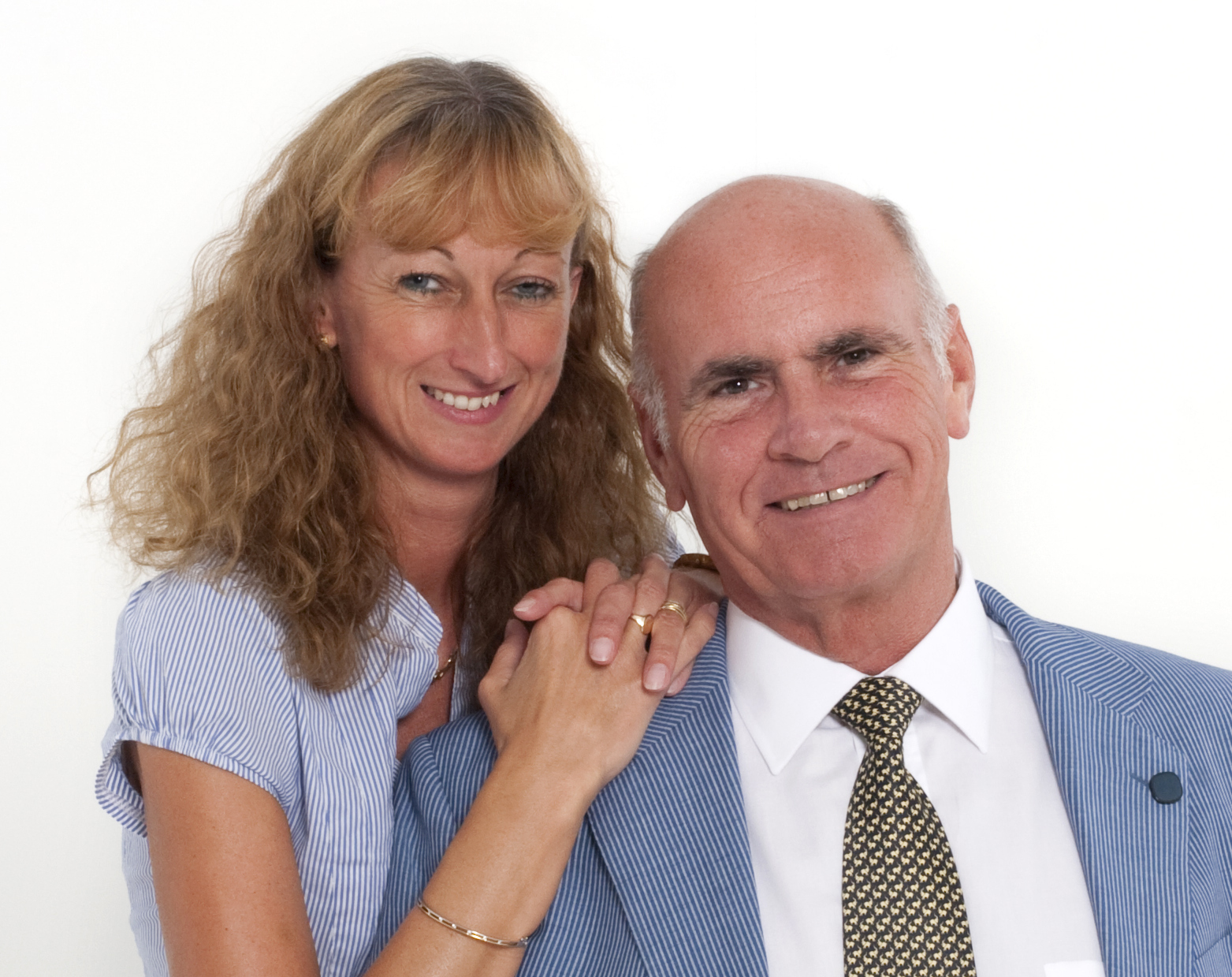
Marion Shirran, as a director of Oxford Therapeutics, is proud to be a registered Stakeholder in NICE – the National Institute for Health and Care Excellence. Additionally, she is involved in the government’s All-Party Parliamentary Group on Obesity.
They were awarded the ‘Most Innovative Obesity Psychological Therapy Service’ in the UK Mental Health Awards 2022. They are also co-authors of two bestselling books on the topic of non-surgical weight loss, published by Hay House.

google-site-verification: googlef6c425f95ce1433a.html