
What Happens After Stopping Mounjaro, Ozempic or Wegovy?
Most people focus all their attention on losing weight with GLP-1 medications. Very few are prepared for what happens after stopping Mounjaro, Ozempic or Wegovy. But reading this page will give you the ‘edge’. As you come off the medication, things begin to change; appetite returns, food becomes more noticeable again and the sense of control you had starts to slip.
Alongside that, there’s often a mix of emotions: relief, pride, uncertainty. For some, a quiet concern about whether the weight might return. That reaction is completely normal. What’s surprising, however, is the lack of practical guidance people receive at this stage. The conversation tends to stop just as the real work begins.

The headlines tend to focus on the rapid weight loss, the ‘miracle’ of appetite disappearing and the soaring global demand for prescriptions. Very few conversations explore what happens when the medication ends. That silence leaves many people feeling unprepared or a little lost. We spent several months writing The GLP-1 Legacy to ensure no one feels lost going forward.
What Happens to Your Body After Stopping Mounjaro, Ozempic or Wegovy?
Within a few weeks of your final dose, you’ll probably start to notice subtle changes. Food becomes more noticeable again, hunger returns sooner and cravings feel stronger than they did while on the medication. The “food noise” that had gone quiet begins to reappear, albeit slowly at first.
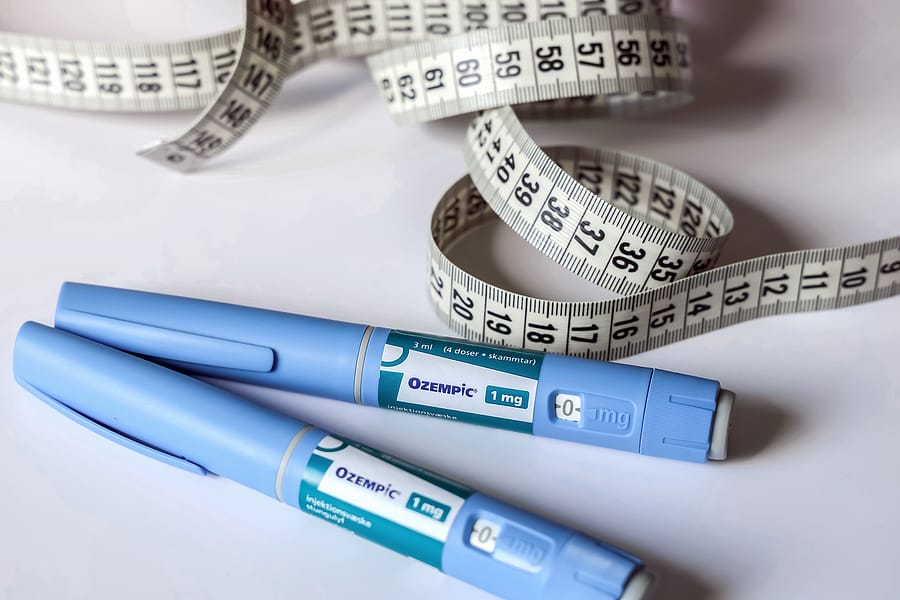
These changes can feel unsettling, particularly after months of relative calm. But nothing has gone wrong and it’s to be expected. This is your body returning to its natural baseline. GLP-1 medications regulate appetite while you’re taking them, but once they leave your system, your biology resumes control.
How Long Do Mounjaro, Ozempic and Wegovy Stay in Your System?
The transition doesn’t happen overnight. Semaglutide (used in Ozempic and Wegovy) can remain active for up to five weeks after your final dose. Tirzepatide (Mounjaro) typically clears slightly faster, often within four weeks.
That delay can create a false sense of stability. For a short period, appetite may still feel controlled, making it seem as though the changes are lasting. Then, gradually, things begin to shift. Understanding this timing gives you a window to prepare, rather than react.
Why Weight Regain Happens After GLP-1 Medications
Weight regain after stopping GLP-1 medications is common. Not because the medication failed, but because it was doing more of the work than most people realise. While on the medication, several changes happen automatically: appetite is reduced, food thoughts are quelled and decision-making feels easier.
However, certain things don’t change automatically, such as your underlying behaviours: the old eating patterns, emotional triggers and habitual responses to food have been easier to manage, but they’re still there. And once the medication is removed, all those patterns can re-emerge quickly, if nothing has replaced them. This isn’t a lack of willpower; it’s a predictable behavioural rebound.

The Risk Window After GLP-1s
There’s a specific phase where many people get caught off guard. For a short period, as the medication is leaving your system, appetite hasn’t fully returned, confidence is high and weight appears stable. It’s the Risk Window.
It feels like everything is under control. But the structure underneath is not yet fully in place. This is where small changes begin: slight increases in portion size, more frequent snacking and less awareness around decisions. Nothing dramatic, just a gradual shift. This is often where weight regain starts, not with a sudden change, but with a subtle drift.
How to Maintain Weight Loss After GLP-1 Treatment
Used well, GLP-1 medications create a genuine window of opportunity. With appetite reduced, it becomes easier to establish consistent eating patterns, recognise the difference between physical hunger and emotional triggers, and begin building routines that don’t rely on constant effort.
The key is using that period to put some simple structure in place. That might mean introducing regular meal timing, becoming more aware of portion size, noticing triggers such as stress or boredom, and interrupting automatic eating patterns before they take over.
Over time, these repeated behaviours start to feel more natural. What begins as a conscious effort gradually becomes automatic. Those small, consistent actions are what form the foundation of long-term maintenance. The goal is simple: move from relying on the medication to relying on your own structure.

Life After Mounjaro, Wegovy and Ozempic
At some point after your final injection, something changes. The medication that once helped you feel effortlessly in control is no longer there. Your body is doing what it was designed to do.
The key shift is learning to see hunger differently. Not as something to suppress, but as a signal to interpret. The medication changed your chemistry, but lasting success comes from changing your thinking. That means developing the ability to pause, recognise patterns and respond differently. Not perfectly, but consistently.

Headlines about Mounjaro rebound weight gain and Ozempic rebound weight gain can sound alarming, but the reality is more nuanced. Clinical studies show that people who stop GLP-1 medications without a plan in place typically regain around half of the weight they lost within the first year, and that regain can begin as early as eight weeks after discontinuation.
This isn’t failure; it’s physiology. Once the drug has left your bloodstream, your GLP-1 levels return to baseline, and appetite and digestion resume their natural pace. The key is not to panic, but to plan. By understanding the biological transition, you can adapt before small fluctuations turn into major setbacks.
Where Most People Struggle
The difficulty is not losing weight; you’ve already done that. The difficulty is maintaining it without the support that made it feel easier. Without a clear plan, people often drift back into old habits, underestimate how quickly appetite can return, and rely on willpower rather than structure.
This is where frustration builds, and where many feel they have somehow failed. They haven’t; they were simply unprepared for this phase.

A Structured Approach to Life After GLP-1s
This is where the new book The GLP-1 Legacy comes in. The book is designed specifically for what happens after stopping Mounjaro, Ozempic and Wegovy, when the medication is no longer doing the work for you. It has been written to ensure ‘weight creep’ is kept at bay. We have over 15,000 hours of clinical experience in the weight-loss arena. The foreword was written by Professor Jane Ogden of Surrey University.
The book delivers a practical, psychologically grounded framework that helps you understand the changes in your body, manage the return of appetite and food noise, and build the habits needed to maintain your results with consistency rather than willpower. It is not a diet plan; it’s a proven, structured way of thinking and responding that allows you to protect what you have already achieved. Why not visit the page on Amazon and read the global reviews by both GLP-1 users and clinicians?

See How Others Are Using It in Practice
If you’re not sure if reading the GLP-1 Legacy is right for you, go to our dedicated blog post to read a selection of Amazon verified reviews from both GLP-1 users and clinicians. That will give you a clear sense of how it’s being used in practice and the difference it’s making for people around the world who are navigating life after the medication.
Start Your Post-GLP-1 Phase with a Clear Plan
You’ve already done the hard part. Now the focus shifts from losing weight to living in a way that allows you to keep it off. With the right structure in place, this becomes manageable. Without it, it becomes uncertain very quickly. If you want to understand what to expect and how to handle it, you can explore The GLP-1 Legacy and see how others have approached this transition.
If you are approaching the end of your GLP-1 treatment, this is the phase most people are unprepared for. The GLP-1 Legacy explains exactly what to expect and how to handle it.
FAQs
Martin and Marion’s groundbreaking work has been featured in prominent newspapers such as The Daily Mail, The Times, The Telegraph, and The Express. Leading magazines like Vogue, Marie Claire, Good Housekeeping, and Reader’s Digest have also recognised their contributions. The Shirrans and several of their clients have also made television appearances on both sides of the Atlantic.
Over a thousand individuals, including medical professionals, celebrities, and the general public, have travelled from around the world to experience their weight-loss treatment. Some sought to enhance their appearance, while others prioritised their health, successfully reversing medical conditions like insulin resistance, diabetes, high blood pressure and fatty liver disease.
Related Articles
We have written several articles about related topics, including “How to come off GLP-1s safely”, “How long does Ozempic stay in your system” and “What is TCBT?”
Martin & Marion Shirran

Marion Shirran, as a director of Oxford Therapeutics, is proud to be a registered Stakeholder in NICE – the National Institute for Health and Care Excellence. Additionally, she is involved in the government’s All-Party Parliamentary Group on Obesity.
They were awarded the ‘Most Innovative Obesity Psychological Therapy Service’ in the UK Mental Health Awards 2022. They are also co-authors of two bestselling books on the topic of non-surgical weight loss, published by Hay House.


google-site-verification: googlef6c425f95ce1433a.html