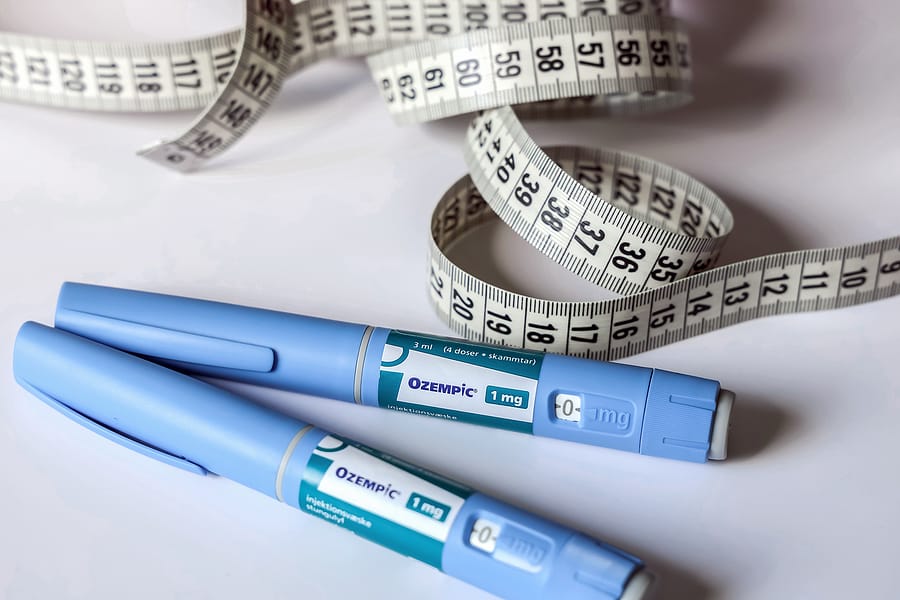
How to Come Off Ozempic, Wegovy or Mounjaro Safely
Most people focus on how to start Ozempic, Wegovy or Mounjaro. Very few are prepared for how to stop. That’s where things change. Appetite comes back. Old habits start to reappear. And for many, the control they felt during treatment begins to slip, often faster than expected. Very few people consider how to come off Ozempic, Wegovy or Mounjaro safely
This is the point where weight regain starts. Not because the medication failed, but because the transition off it was never properly planned. If you’re wondering how to come off Ozempic, Wegovy or Mounjaro safely, the key is understanding what happens next and having a clear plan before the medication stops.
The Next Phase
Coming off GLP-1 medications such as Ozempic, Wegovy and Mounjaro is a stage many people are not prepared for. During treatment, appetite is reduced, portions shrink naturally, and weight loss often feels controlled. What receives far less attention is how to come off Ozempic, Wegovy or Mounjaro safely without regaining weight.
When the medication stops, appetite returns, food becomes more noticeable, and the sense of control can shift quickly. This is not a failure of the medication. GLP-1 drugs work. The challenge is what happens next.
What happens when you stop Ozempic, Wegovy or Mounjaro
When you stop Ozempic, Wegovy or Mounjaro, appetite typically returns within weeks. The hormonal suppression of hunger reduces, and food becomes more rewarding again.
Alongside this, eating behaviours that were quieter during treatment begin to re-emerge. Snacking, larger portions, and more reactive eating patterns often return unless they have been addressed. Without a plan, this is where weight regain after Ozempic, Wegovy, or Mounjaro usually begins.
Should you taper off Ozempic or Wegovy?
Tapering off Ozempic or Wegovy, gradually reducing the dose instead of stopping suddenly, is increasingly discussed. The aim is to soften the return of appetite and reduce the intensity of the transition.
Tapering can make the process feel more manageable and give time to adjust behaviour. However, it is not a solution on its own. Even with tapering, appetite still returns. Without structure, the same patterns that led to weight gain can reappear. Tapering helps the transition. It does not replace the need for a clear plan.
Can you microdose GLP-1 medications?
Microdosing GLP-1 medications, using smaller or less frequent doses, is becoming more common, particularly in private settings. Some people use microdosing as a way to maintain partial appetite control, reduce cost, or ease the transition off full doses.

However, guidance around microdosing remains inconsistent, and it is not widely standardised. It can also create ongoing reliance on medication rather than helping people transition away from it.
Most importantly, microdosing does not address underlying eating behaviours. If those remain unchanged, the same patterns tend to return. Microdosing may delay the problem. It does not solve it.
Is reduced dosing a better long-term strategy?
Some people consider staying on a lower dose of Ozempic, Wegovy or Mounjaro for longer. In some cases, this can help maintain a level of appetite control and make the transition less abrupt.
However, if weight maintenance depends entirely on continued medication, then the long-term strategy has not been resolved, only extended. A reduced dose can support the transition, but it should sit alongside behavioural change rather than replace it.
Why do most people regain weight after stopping GLP-1s
Weight regain after GLP-1 medications is common and predictable. It does not happen because people suddenly lose discipline. It happens because appetite returns, food becomes more rewarding, old habits re-emerge, and there is no clear structure in place.
During treatment, the medication carries much of the load. After stopping, that responsibility shifts back. Without a plan, people drift. Not suddenly, but gradually. A little more here, slightly larger portions there, less awareness, more reactive eating. Over time, those small shifts add up.
The missing piece: a structured transition plan
The biggest gap is not in the medication itself, but in what happens after it. People are guided onto GLP-1 medications. They are rarely guided off them.

To come off Ozempic, Wegovy or Mounjaro safely, you need a clear eating structure, awareness of trigger situations, practical strategies to manage returning appetite, and early intervention if weight begins to rise. Without this, weight regain becomes far more likely.
After You Come Off GLP-1 Medication
Coming off Ozempic, Wegovy, or Mounjaro safely is only partly about the medication itself. The bigger challenge is what happens when its effects begin to fade. Appetite returns, food cues become more noticeable and maintaining weight loss becomes a very different task to achieving it. This is the point where many people feel caught off guard, not because they’ve done anything wrong, but because they were never shown what comes next.
Why The GLP-1 Legacy Was Written
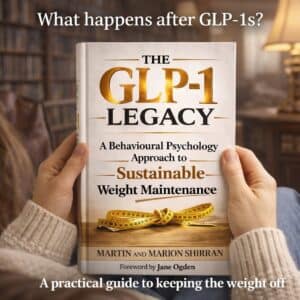
A new book, The GLP-1 Legacy, was written to address that exact gap. It draws on over 15,000 hours of behavioural work with clients, combined with real experiences from GLP-1 users, to explain what happens after the injections stop and how to respond to it. It covers managing returning appetite, handling triggers, rebuilding structure around eating and creating a realistic plan for long-term weight stability. The book also includes an introduction by Professor Jane Ogden, health psychologist at the University of Surrey, adding further clinical context to the behavioural approach.
See How Others Are Using It in Practice
If you’re not sure whether it’s right for you, visit the books page on Amazon and read the Global reviews from both GLP-1 users and clinicians. That will give you a clear sense of how it’s being used in practice and the difference it’s making for people around the world who are navigating life after the medication.
Final thought
GLP-1 medications such as Ozempic, Wegovy and Mounjaro are highly effective. But long-term success is not determined during treatment. It is determined by what happens when you stop.
Martin and Marion’s groundbreaking work has been featured in prominent newspapers such as The Daily Mail, The Times, The Telegraph, and The Express. Leading magazines like Vogue, Marie Claire, Good Housekeeping, and Reader’s Digest have also recognised their contributions. The Shirrans and several of their clients have also made television appearances on both sides of the Atlantic.
Over a thousand individuals, including medical professionals, celebrities, and the general public, have travelled from around the world to experience their weight-loss treatment. Some sought to enhance their appearance, while others prioritised their health, successfully reversing medical conditions like insulin resistance, diabetes, high blood pressure, and fatty liver disease.
Martin and Marion Shirran
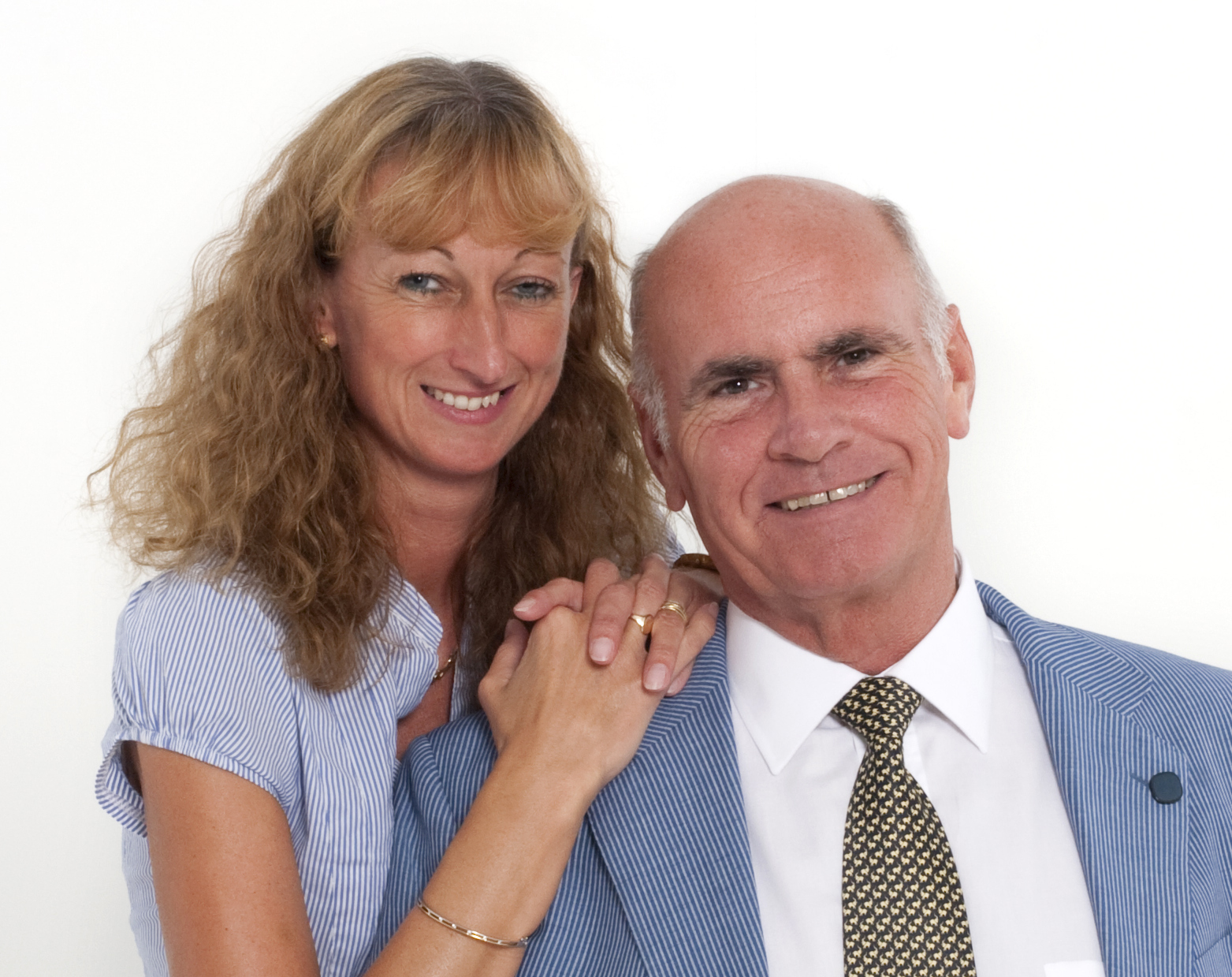
Marion Shirran, as a director of Oxford Therapeutics, is proud to be a registered Stakeholder in NICE – the National Institute for Health and Care Excellence. Additionally, she is involved in the government’s All-Party Parliamentary Group on Obesity.
They were awarded the ‘Most Innovative Obesity Psychological Therapy Service’ in the UK Mental Health Awards 2022. They are also co-authors of two bestselling books on the topic of non-surgical weight loss, published by Hay House.

