Microdosing GLP-1: A Transition Strategy to Reduce Weight Regain
Microdosing GLP-1s refers to using a lower or less frequent dose of the medication, either as a way to transition off treatment more gradually or to sustain some of its effects at a reduced level. This is not usually a conversation that starts with your doctor. In most cases, microdosing is something people arrive at themselves, often after experiencing the realities of long-term use, whether that is side effects, cost, or uncertainty about what happens next.
The appeal is straightforward. Keep some level of appetite control while reducing reliance on the medication. What matters is understanding how it actually works in practice, where it can help, and where it can quietly fall short.
What Is Microdosing GLP-1?
Microdosing GLP-1 is an informal term used to describe continuing the medication at a lower or less frequent dose than standard treatment. It is not part of a structured medical pathway. Instead, it reflects what people actually do when their goals begin to change. Rather than pushing for continued weight loss, the focus shifts towards maintaining progress while reducing reliance on the medication.
This is why it sits firmly in the transition phase. It is not a full treatment, and it is not stopping. It is the space in between.
What is The Difference Between Microdosing and Tapering?

Before we go further, it helps to be precise about what the two terms, tapering and microdosing, mean and confirm that, contrary to general belief, they are distinctly different approaches, each tailored to the unique needs of the individual.
- Tapering refers to gradually reducing the dose over time with the intention of stopping completely. It is a transition process, designed to move from full treatment to no medication while allowing appetite and eating patterns to adjust more gradually.
- Microdosing, by contrast, usually involves continuing on a lower dose for a longer, sometimes an indefinite period. Rather than working towards stopping, it is often used as a way to maintain some level of appetite control or to delay coming off the medication entirely.
Think of it This Way
Tapering is like walking slowly out of the deep end of a pool until you reach dry land. Microdosing is like staying in the shallow end, never fully out of the water but not submerged either. The key difference is the end goal. Tapering is a pathway towards stopping. Microdosing is often a way of extending the use of the medication at a reduced level.
Why People Turn to Microdosing
The decision to microdose is rarely random. It usually follows a point where something changes. For some, side effects begin to outweigh the benefits. What felt manageable early on becomes harder to tolerate over time. Reducing the dose feels like a way to stay on the medication without the same level of discomfort.
For others, the driver is more practical. There is a growing trend of people using lower doses to make treatment more affordable. With many paying privately, reducing the dose is seen as a way to extend supply and manage ongoing cost. This is rarely discussed openly, but it is a significant factor behind why microdosing has become more common.
There is also a psychological layer. After experiencing reduced appetite and a sense of control, the idea of losing that completely can feel uncomfortable. Microdosing offers a middle ground, keeping some level of support in place while testing what happens without full-dose effects.

How Microdosing May Help Reduce Weight Regain
The concern about weight regain sits at the centre of this phase, and for good reason. When medication stops suddenly, appetite can return quickly. That shift can feel abrupt and difficult to manage, especially if behaviour has not yet adapted.
Microdosing changes the pace of that transition. Instead of appetite returning all at once, it often increases more gradually. This can reduce the sense of urgency that leads to reactive eating. It also creates a window where awareness is rising, but not overwhelming.
That window matters. It allows time to rebuild structure around eating, to notice triggers, and to respond more deliberately. In behavioural terms, it shifts the individual from automatic regulation back to conscious regulation, but in a more controlled way. This is where microdosing can be genuinely useful. Not as a solution in itself, but as a way of making the transition more manageable.

A Real-World Example
Sarah is a case study from our book The GLP-1 Legacy. After reaching her target weight, after using the GLP-1 jabs for nine months, Sarah, 46, expected to feel settled. Instead, she became increasingly anxious; she knew the time to come off the jabs was approaching. Stories in the media about rapid weight regain after stopping treatment began to play on her mind, often keeping her awake at night.
At the same time, the monthly cost of the medication was becoming harder to justify. She began looking for a way to reduce both the financial burden and the risk of regaining weight. She read about microdosing and decided to try it. She gathered all the information she could find on social media. She started lowering her dose and spacing her injections further apart. Her doctor was not entirely comfortable with the approach, but agreed to monitor her.
Over the following four months of slowly reducing her dosage, her appetite returned gradually, which initially felt reassuring. But as the medication’s effect further reduced, she noticed old habits beginning to resurface. Initially, she was able to keep control, but as she reduced her dosage, the sensations became more noticeable. Her weight held steady, but only once she rebuilt structure around her eating. For Sarah, microdosing helped ease the transition, but it was not a solution on its own.
What Happens to Appetite at a Lower Dose
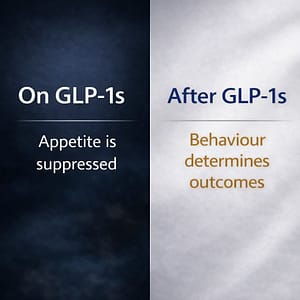
One of the most consistent changes with microdosing is the return of appetite. At a full dose, hunger is often muted, and food feels less dominant. At a lower dose, that changes. Thoughts about food become more frequent. Hunger signals become clearer. The environment starts to matter again.
This is not a failure of the medication. It is the removal of part of its effect. What often catches people off guard is the shift in effort. Eating decisions that once felt automatic now require attention. The sense of control moves from being pharmacological to behavioural. That is the point of adjustment.
Does Microdosing Still Work?
It depends on what “working” means. If the expectation is continued weight loss at the same pace, then the answer is usually no. Lower doses provide less appetite suppression, and the overall effect is reduced. If the goal is to maintain some level of control while transitioning away from full reliance on the medication, then it can be helpful.
For some, weight stabilises. For others, it fluctuates. Some maintain with increased effort, while others begin to regain gradually. The difference is rarely the dose alone. It is how well behaviour adapts as the level of support changes.
When Microdosing Becomes a Holding Pattern
Microdosing works best when it is used intentionally. The difficulty comes when it becomes indefinite. At that point, the medication is still present but not doing the same level of work. Appetite is returning, but behaviour has not fully adjusted. This creates a gap between what the medication is providing and what the individual can manage independently.
Over time, that gap becomes more visible. This is when people feel caught off guard. Not because the medication stopped working, but because the transition was never fully completed.
The Shift Most People Underestimate
The biggest change in this phase is behavioural. While on a full dose, appetite suppression reduces the need for constant decision-making. At a lower dose, that support fades and responsibility shifts back to the individual. This is where long-term outcomes are decided.

Why The GLP-1 Legacy Focuses on This Stage
This is the stage that receives the least attention and has the greatest impact. The medication phase is well understood. The transition phase is not. The new book, The GLP-1 Legacy, focuses on what happens when appetite returns, how to manage that shift, and how to build a structure that supports long-term weight maintenance without relying entirely on the medication. If you are using microdosing as part of your transition, this is the point that determines what happens next.
The book was written to address the void that exists around the often non-existent aftercare required to help users transition off GLP-1s, whilst not regaining the lost weight. It draws on over 15,000 hours of behavioural work with clients, combined with real experiences from GLP-1 users, to explain what happens after the injections stop and how to respond to it. It covers managing returning appetite, handling triggers, rebuilding structure and creating a realistic plan for long-term weight stability. The book includes an introduction by Professor Jane Ogden, health psychologist at the University of Surrey.

The GLP-1 Legacy book includes a complete section on both tapering and microdosing. It introduces research data on both approaches and provides in-depth guidelines to users on how to implement the different approaches safely.
If you’re not sure whether getting your hands on a copy of the book is the right move, then why not visit the book’s page on Amazon and read the many global reviews from both GLP-1 users and clinicians? That will give you a clear sense of how it’s being used in practice and the difference it’s making for people around the world who are navigating life after the medication.
Medical Note
Any decision to adjust GLP-1 medication should be made with guidance from your prescribing clinician. This content is intended to support understanding and does not replace personalised medical advice.
FAQs
Martin and Marion’s groundbreaking work has been featured in prominent newspapers such as The Daily Mail, The Times, The Telegraph, and The Express. Leading magazines like Vogue, Marie Claire, Good Housekeeping, and Reader’s Digest have also recognised their contributions. The Shirrans and several of their clients have also made television appearances on both sides of the Atlantic.
Over a thousand individuals, including medical professionals, celebrities, and the general public, have travelled from around the world to experience their weight-loss treatment. Some sought to enhance their appearance, while others prioritised their health, successfully reversing medical conditions like insulin resistance, diabetes, high blood pressure, and fatty liver disease.

Marion Shirran, as a director of Oxford Therapeutics, is proud to be a registered Stakeholder in NICE – the National Institute for Health and Care Excellence. Additionally, she is involved in the government’s All-Party Parliamentary Group on Obesity.
They were awarded the ‘Most Innovative Obesity Psychological Therapy Service’ in the UK Mental Health Awards 2022. They are also co-authors of two bestselling books on the topic of non-surgical weight loss, published by Hay House.

